GameStop Didn't Abandon Physical Games. It Left the Business Years Ago.
Ryan Cohen called physical game sales "totally, totally irrelevant" and was pilloried for it. But software is under 12% of GameStop's revenue, collectibles are over half, and the company just tried to spend $56 billion on eBay. He was reading his own income statement.
By Shujaat Ahmed · · 6 min read
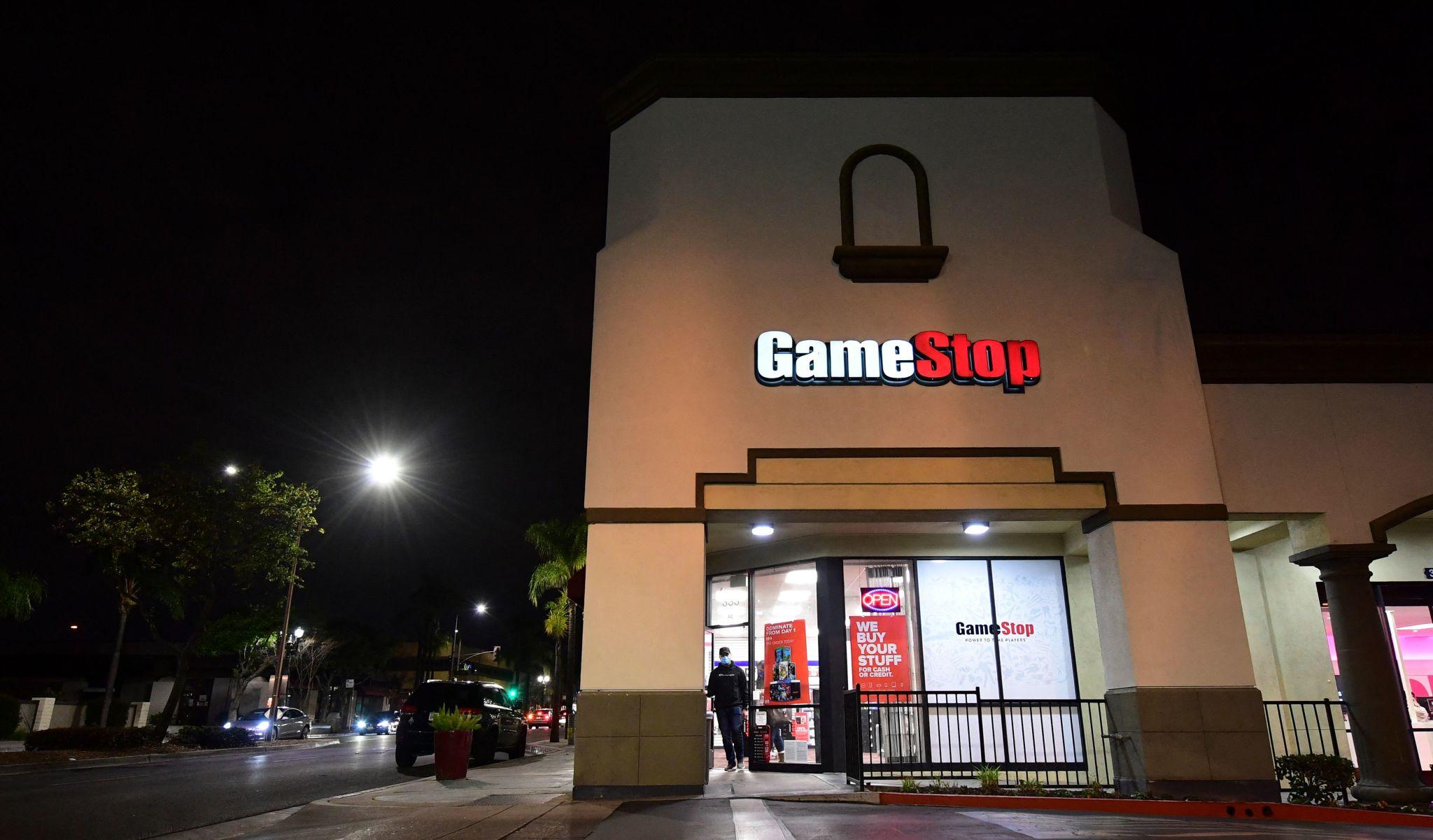
In a Bloomberg TV interview in July, GameStop CEO Ryan Cohen was asked how Sony ending physical disc production would affect his company. His answer:
"Software, it mattered in the past. Software today makes up less than 12% of the business, and collectables makes up over half the business. So, it's totally, totally irrelevant."
It was received as a betrayal — the king of physical game retail shrugging as the format dies. That reading is emotionally satisfying and factually backwards. Cohen was not predicting the end of physical games. He was explaining that GameStop had already left that business, and the numbers he cited are the evidence.
What GameStop actually is now
Take the figures at face value, because they are the most useful thing in the interview.
Software — all game sales, physical and digital — is under 12% of GameStop's business. Collectibles are over half.
That is not a games retailer that also sells toys. It is a collectibles retailer that still has games on the shelf. Trading cards, figures, memorabilia — the high-margin categories — are the company, and the thing the brand is named after is a rounding error by comparison.
Once you internalise that ratio, the "irrelevant" comment stops sounding callous and starts sounding like a CEO accurately describing his own income statement on live television.
Whether the strategy is right is a separate question. But criticising Cohen for not defending physical games is criticising him for not defending 12% of his revenue against a decline he cannot influence.
The $56 billion proof
If you want confirmation that this pivot is real rather than rhetorical, look at what GameStop tried to buy.
On May 3, 2026, GameStop proposed acquiring eBay at $125.00 per share — half cash, half GameStop stock, an undiluted equity value of roughly $55.5 billion. The company had about $9.4 billion in cash and a highly-confident letter from TD Securities for up to $20 billion in acquisition financing.
The stated logic was collectibles. eBay is the largest secondary marketplace for trading cards and memorabilia in the world; GameStop has roughly 1,600 US retail locations. Cohen's pitch was that combining an online marketplace with physical authentication, trade-in and pickup points would let both take share in exactly the high-margin categories now producing most of GameStop's revenue.
A company spending $56 billion to become a bigger collectibles business is not a company quietly hoping discs come back.
It did not work. eBay rejected the bid as "neither credible nor attractive," analysts questioned whether meaningful synergies existed, and by August Cohen was weighing whether to pull the offer entirely. The strategy is clear; the execution is unresolved.
What Sony actually announced
The trigger for the question was real and significant. On July 1, 2026, PlayStation confirmed that physical disc production for new games on PlayStation consoles ends in January 2028.
The details matter more than the headline:
- It applies to new releases from that date. Games released before the cutoff remain available on disc.
- Sony's justification is consumption data, not preference. The company sold roughly 318 million game units last year — and 85% of those were downloads.
Eighty-five percent. Sony is not ending a format that players were fighting for. It is ending one that roughly one purchase in seven still uses, and the trend has been moving in a single direction for a decade.
That is the uncomfortable centre of this story. Physical media is not being taken from a willing majority. It is being withdrawn from a committed minority, because the majority stopped buying it.
Why "irrelevant" still stung
None of the above makes the reaction unreasonable, and it is worth taking seriously rather than dismissing.
GameStop occupies a particular place for a generation of players — trade-ins that funded the next game, midnight launches, shelves of used cases, the physical geography of the hobby. When the company that built that identity says the format is "totally, totally irrelevant," it reads as a repudiation of the thing it sold people for thirty years.
There is also a legitimate substantive grievance underneath the sentiment. Discs carried rights that downloads do not — resale, lending, gifting, and a copy that does not depend on a storefront remaining open. We looked at what a code-in-a-box actually removes when GTA 6's physical edition turned out to contain no disc, and the preservation fight in California is a direct response to the same shift.
Those losses are real. They are simply not losses GameStop is in a position to prevent, and pretending otherwise would have been the less honest answer.
What actually happens to physical games
Practical expectations, given what is now confirmed:
Before January 2028, nothing changes for existing releases. Discs already in production stay in production.
After January 2028, new PlayStation releases are digital-only from Sony's side. Third-party publishers may continue producing discs for other platforms, and Xbox has made no equivalent announcement — but platform economics tend to converge, and a shrinking disc market gets more expensive to serve per unit.
Collector-focused physical releases will survive, and probably grow. Limited-run publishers already operate profitably at small scale, and scarcity tends to increase when the mainstream channel closes. That is a different product from a $70 disc at a big-box retailer, sold to a different customer, at a higher price.
Your existing library is fine. Discs you own keep working on hardware that reads them, for as long as that hardware and any required patches remain available — which is the genuine long-term preservation question, and it predates all of this.
The takeaway
Ryan Cohen did not deliver a blow to physical media. He reported a number: under 12% software, over half collectibles, and a company now trying to spend $56 billion on a collectibles marketplace rather than defend a format.
The decisive figure is Sony's, not GameStop's. 85% of 318 million game units were downloads. Physical did not lose an argument in a boardroom. It lost one purchase at a time, over a decade, made by the same people now mourning it.
Tags: GameStop CEO Ryan Cohen physical media vs digital games future of video games GameStop collectibles revenue video game preservation.
Written by Shujaat Ahmed
Shujaat Ahmed is the founder and editor of Door To Gaming. A lifelong gamer, he writes about the games, hardware, and industry news he cannot stop thinking about.