Esports World Cup 2026: A $75 Million Summer in Riyadh
A record $75 million prize pool, 24 games and a $30M Club Championship: the Esports World Cup 2026 is underway in Riyadh, rewriting the scale of esports.
By Shujaat Ahmed · · · 6 min read
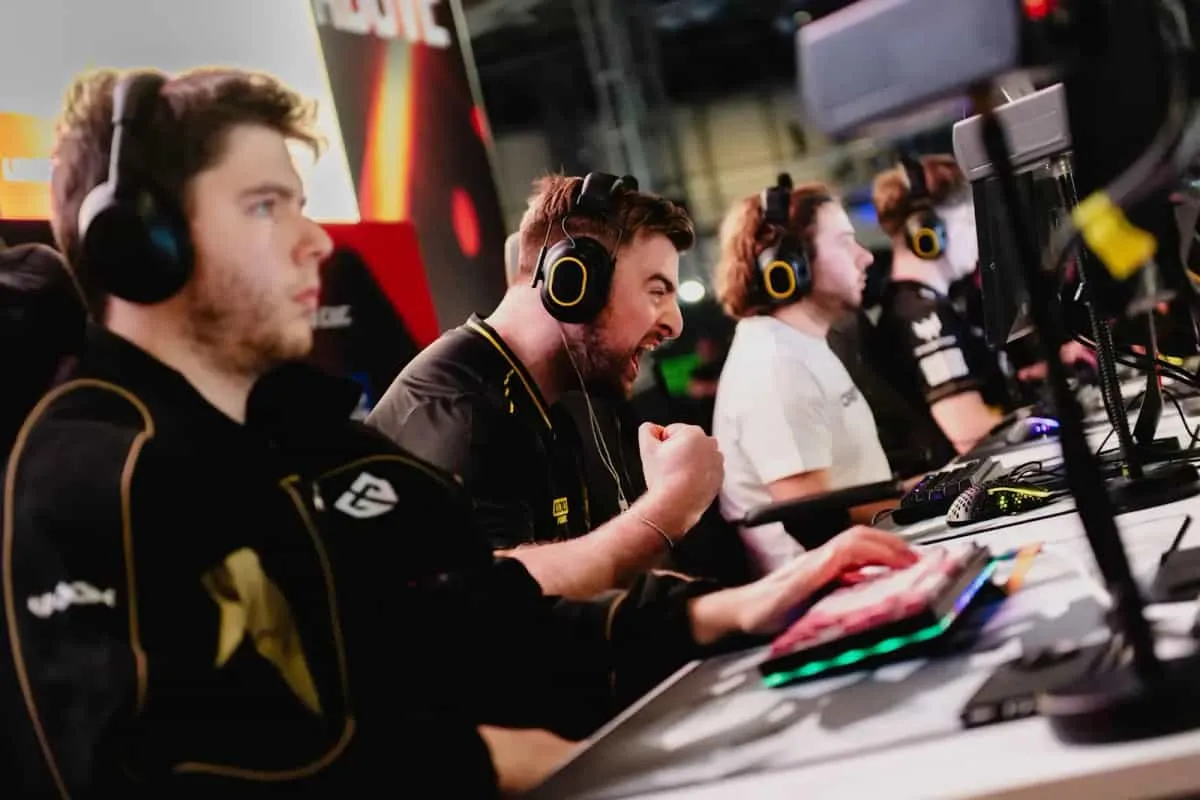
Halfway through its seven-week run, the Esports World Cup 2026 has already done what it set out to do: make every other tournament on the calendar look small. The event runs from 6 July to 23 August 2026, carries a record $75 million prize pool, and gathers more than 2,000 players from 200-plus clubs across roughly 100 countries. As of late July, this isn't a preview — it's live, and results are landing daily.
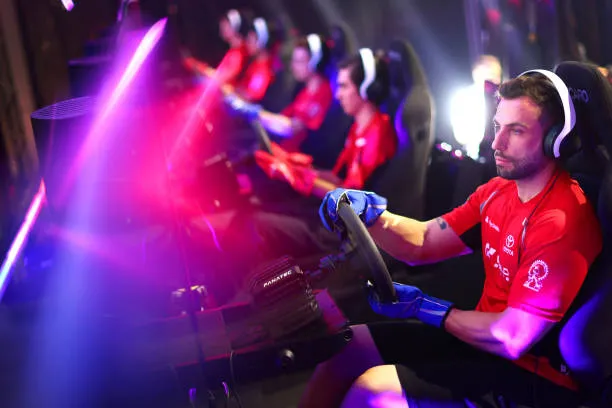
Riyadh, Not Paris — Let's Kill the Rumour First
You may have seen a claim that the 2026 edition relocated to Paris, supposedly nudged out of the Gulf by regional politics. It didn't happen. That story appears only on a few unreliable outlets, and it contradicts every primary source. The official PR Newswire announcement, datelined "RIYADH, Saudi Arabia," says the tournament will "return to Riyadh," and the Esports World Cup site invites fans to watch "live in Riyadh." The Saudi Press Agency and outlets like Esports Charts confirm the same city and dates.
The confusion is worth flagging because the "why" matters: EWC exists because of Saudi Arabia. Move it to Paris and you strip out its entire reason for being. So no — same host, same desert summer, third year running.
The Club Championship Changes the Math
Most esports events crown one champion per game and go home. EWC's defining feature is the Club Championship, a $30 million meta-competition layered on top of everything else. Clubs earn points based on how their rosters place across all 24 titles, and the organisation with the highest combined tally takes a $7 million top prize — the single largest payout at the event, and one of the biggest in esports history.
The design rewards breadth, not a single hot run. A club that finishes top-four in Dota 2, VALORANT, and Tekken 8 can out-earn one that wins a lone trophy and no-shows everywhere else. There's one catch that keeps it honest: to claim the grand prize, a club must have won at least one individual title during the event. Consistency gets you the points; a trophy unlocks the cheque.
It's closer to an Olympic medal table than a bracket — the winner is the deepest organisation, not the best team at any one game.
That's why the model matters. It pushes big orgs to invest across many titles instead of chasing one, and turns the whole seven weeks into a single, running scoreboard.
Twenty-Four Games, One Calendar
The 2026 lineup spans 25 tournaments across 24 games, covering nearly every major competitive genre:
- FPS & tactical: Counter-Strike 2, VALORANT, Overwatch 2, Rainbow Six Siege X, Apex Legends, Crossfire
- MOBAs: Dota 2, League of Legends, Honor of Kings, Mobile Legends: Bang Bang
- Fighting: Street Fighter 6, Tekken 8, Fatal Fury: City of the Wolves
- Battle royale & shooters: PUBG: Battlegrounds, PUBG Mobile, Fortnite, Free Fire, Call of Duty: Black Ops 7, Call of Duty: Warzone
- Sports, strategy & other: EA Sports FC 26, Rocket League, Teamfight Tactics, Trackmania, Chess
Of the $75 million, the $30 million Club Championship sits alongside the rest, which is spread across those individual title tournaments plus qualifier and MVP rewards. Entry runs through the year-long "Road to EWC" qualifier system, which funnels clubs and players into Riyadh.
Where Things Stand at the Halfway Mark
Because the event is live, the table is the story. After two weeks, the Club Championship standings read:
- Natus Vincere — 1,750 pts, powered by a Fatal Fury title and a strong showing at the Mobile Legends Women's Invitational
- Team Vitality — 1,400 pts, after its women's roster won that Mobile Legends event
- AG.AL International — 1,100 pts, riding strong VALORANT, Free Fire, and League of Legends results without a title yet
- A cluster tied on 1,000 pts, including Dplus KIA, 100 Thieves, and several others
Week three (20–26 July) is a heavy one, with decisive stages in Mobile Legends, PUBG, Street Fighter 6, Teamfight Tactics, and EA Sports FC 26 — any of which could reshuffle the top of the table before August. (Standings are a live snapshot and will keep moving through 23 August.)
Bigger Than Any Tournament Before It
Scale is the whole pitch, and the numbers back it. The inaugural 2024 event offered roughly $60 million to about 1,500 players; 2025 rose to $70 million; 2026 now sits at $75 million. For a single event, that clears the old benchmark — Dota 2's crowdfunded The International peaked near $40 million — and dwarfs the base pools of League of Legends Worlds or a Counter-Strike Major, which live in the low single-digit millions.
Put plainly: EWC's individual-title money alone is larger than any standalone tournament in the sport, and the Club Championship stacks another $30 million on top. Nothing else in esports operates at this budget.
The Sportswashing Debate
None of this is free of controversy, and it would be dishonest to pretend otherwise. EWC is bankrolled by Saudi Arabia's Public Investment Fund, the same sovereign wealth vehicle behind LIV Golf, Newcastle United, and the kingdom's push into Formula 1 and boxing. Human-rights groups and outlets covering the sportswashing debate argue the event is "esportswashing" — using competitive gaming to soften the country's image while concerns over freedom of expression, women's rights, and treatment of minorities go unaddressed. Some players and commentators have declined to take part.
The other side is just as real: the money is life-changing, and for many pros — especially in under-funded titles — EWC is the most stable payday of the year. Saudi Arabia's leadership has been unrepentant, arguing the label doesn't matter if the investment pays off. Both things are true at once, and the industry hasn't resolved the tension.
What EWC 2026 Means for Competitive Gaming
Whatever your view of the backers, the Esports World Cup has become the sport's centre of gravity. It has pulled scheduling, roster-building, and org strategy into its orbit: fielding a multi-title lineup is now partly a business decision shaped by that $30 million carrot. For a scene that spent a decade fretting about an "esports winter" and shrinking prize pools, a stable, growing, $75 million summer is a genuine lifeline — even if it comes with strings attached.
The 2026 edition won't settle the ethics. But on the numbers, the format, and the sheer gravitational pull, it has done exactly what its name promises: set the standard everyone else is now measured against.
Tags: gaming news Esports World Cup 2026 EWC 2026 esports tournament esports prize pool Riyadh esports Paris esports Counter-Strike 2 VALORANT Dota 2 Fortnite Reload Tekken 8 PUBG Battlegrounds Call of Duty Black Ops 7 FC Pro World Championship competitive gaming esports championship esports event 2026 gaming tournament esports industry
Written by Shujaat Ahmed
Shujaat Ahmed is the founder and editor of Door To Gaming. A lifelong gamer, he writes about the games, hardware, and industry news he cannot stop thinking about.