Neverness to Everness Brings Urban Fantasy Chaos Into One Of The Most Stylish RPG Worlds Right Now
A neon city overrun by supernatural anomalies, character-switching combat, and cars you can actually drive — here's what NTE gets right (and wrong).
By Shujaat Ahmed · · · 6 min read
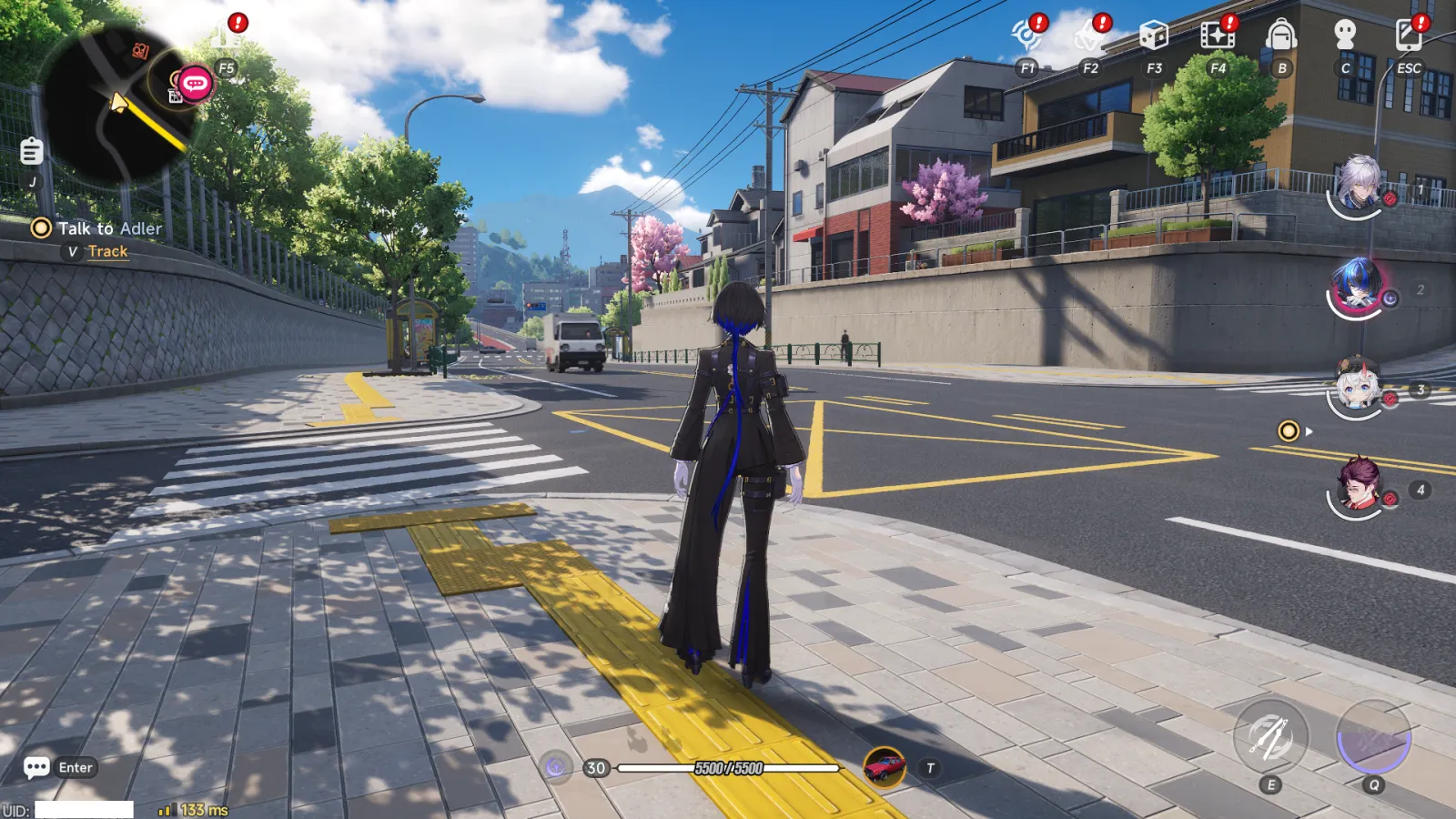
If you have watched the gacha open-world space get crowded over the last few years, you could be forgiven for tuning out yet another anime-styled RPG. Neverness to Everness, usually shortened to NTE, earns a second look. It trades elemental kingdoms and sci-fi wastelands for something far rarer in this genre: a living modern city where the supernatural has quietly become part of everyday life.
What Neverness to Everness Actually Is
NTE is a free-to-play, urban-fantasy open-world action RPG built in Unreal Engine 5. It is developed by Hotta Studio and published by Perfect World Games — worth stating plainly, because the game is often and wrongly assumed to be a HoYoverse (Genshin, Zenless Zone Zero) title. It is not. Hotta is the same studio behind Tower of Fantasy, and that lineage matters more than you might expect.
Crucially, this is no longer a distant beta. NTE launched in China on April 23, 2026 and went worldwide on April 29, 2026, with additional storefront releases on Steam, the Epic Games Store, and the Samsung Galaxy Store following in July 2026. It runs on PC, macOS, PlayStation 5, Android, iOS, and HarmonyOS with full cross-platform play. There is currently no Xbox version. This is a live game you can download today.
The Urban-Fantasy Hook
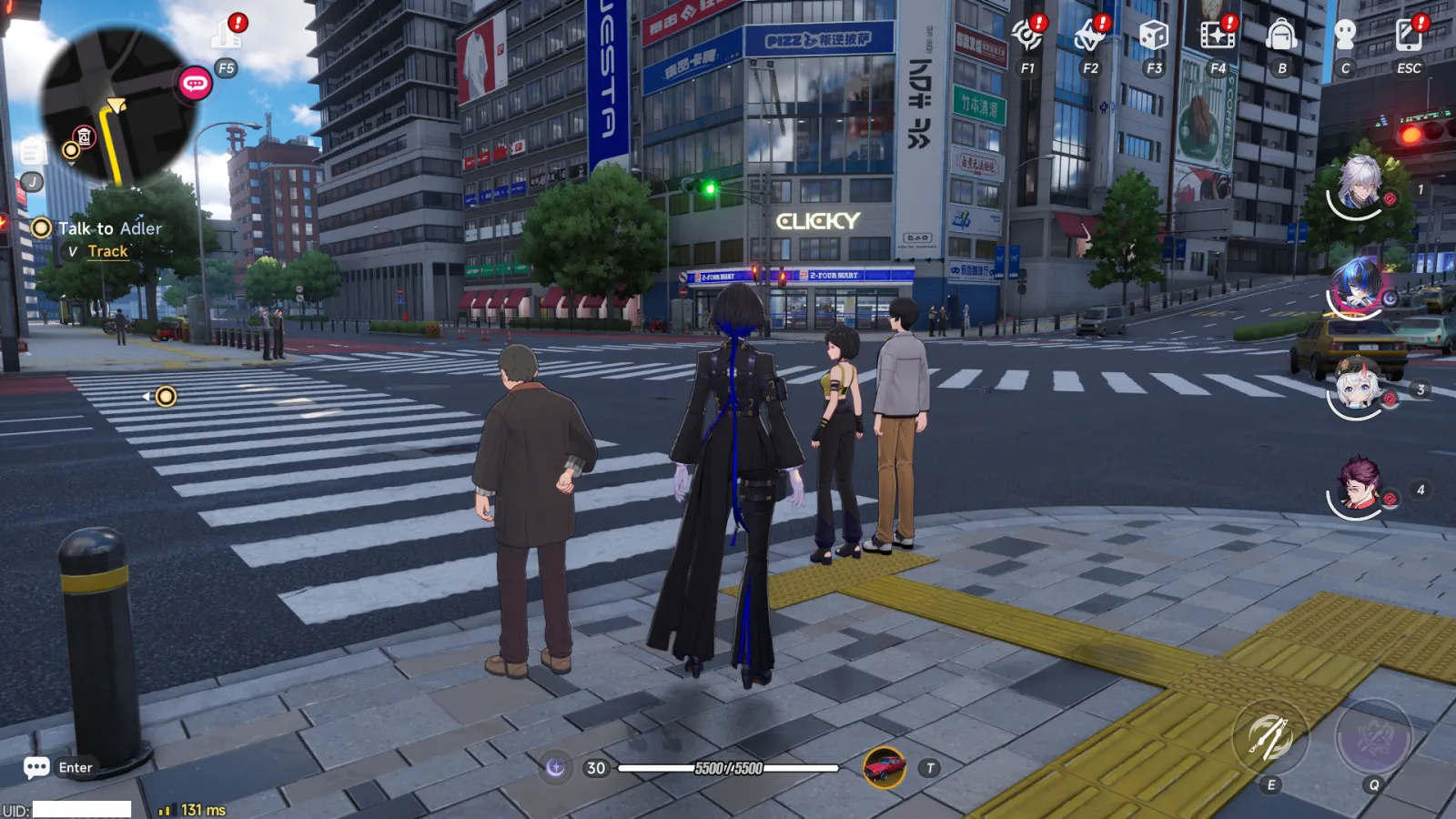
Most gacha open-worlds ask you to save a fantasy continent or a stylized future. NTE sets you loose in Hethereau, a dense contemporary metropolis of streets, shops, rooftops, and traffic — then breaks reality inside it. The city is periodically warped by anomalies: supernatural disturbances that twist a district into something dangerous and strange.
The pitch, in one line: what if the anime open world was a modern city that occasionally stops obeying the laws of physics?
That premise is the whole identity. Investigating and containing anomalies drives the story and rewards you with experience and high-rank gear. It gives the map a reason to feel unstable and alive rather than merely pretty, and it is the clearest thing separating NTE from its more grounded fantasy rivals.
Combat: Switch Characters, Chain Espers
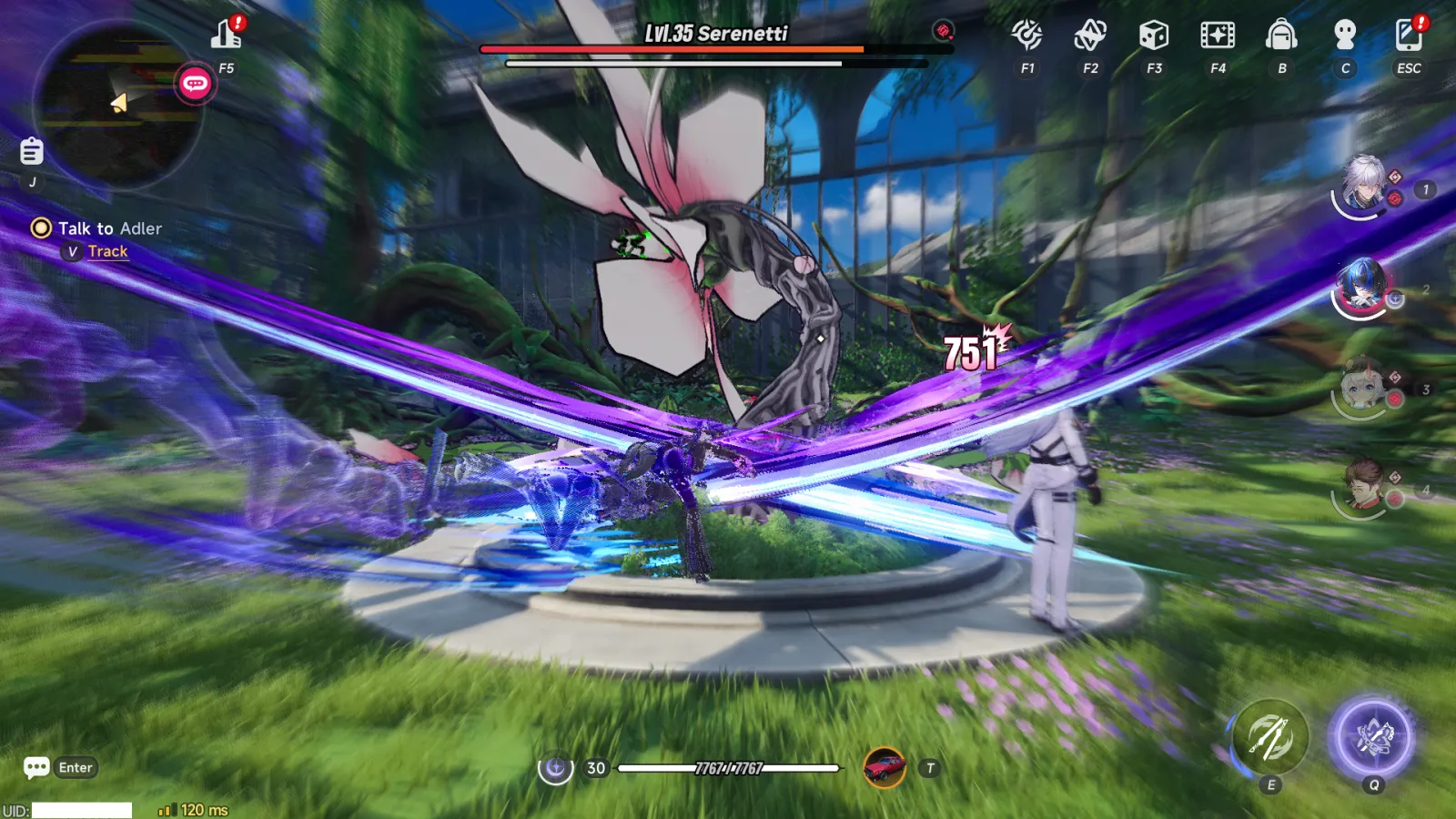
Combat is real-time, third-person, and built around a four-character team you swap between mid-fight. Each character fills a different role and wields one of six Esper ability types — Lakshana, Cosmos, Anima, Incantation, Chaos, and Psyche. You dodge, parry, and thread combos across the whole squad, tagging characters in and out to keep pressure up and cover each other's weaknesses.
Early reviews describe the flow as smooth and satisfying, with natural transitions and abilities that land with weight. It is not the twitch-speed frenzy of some competitors, but the parry-and-swap rhythm is deliberate and readable — closer to a stylish action game than a stat-check.
Driving Is Core, Not Decoration
Here is where NTE plants its flag. Traversal is not just gliding or grappling — you drive. Cars are a genuine pillar of the experience: you can own them, customize them, tear through the city, and enter racing events. Between vehicles, on-foot exploration, and the ability to wall-run across rooftops, Hethereau is designed as a seamless playground rather than a set of loading-screen hubs.
There is even a housing system — buy a property, decorate it, make a corner of the city yours. Combined with a day-night cycle and weather, the open world leans hard into the "modern life, plus chaos" fantasy. More than one outlet has reached for the shorthand "anime GTA meets Genshin," and for once the comparison is doing real work.
How It Stands Apart From Genshin, ZZZ, and Wuthering Waves
The field is stacked, so specifics matter:
- Genshin Impact is the mature elder — a fantasy continent, broad but grounded in classical high-fantasy trappings.
- Zenless Zone Zero shares the urban vibe but is largely hub-based: the city is a walkable social space while the real action happens inside instanced "Hollows." NTE, by contrast, offers a genuinely seamless open city.
- Wuthering Waves delivers fast fantasy action combat, but again in a more traditional post-apocalyptic-fantasy world.
- Tower of Fantasy, Hotta's own previous game, is the tell. Its beloved cyberpunk city, Mirroria, is reportedly the direct inspiration for NTE — Hotta took the one thing it did best and built an entire game around it.
The takeaway: NTE's edge is not raw power, it is identity. Drivable cars, a seamless modern metropolis, and an urban-fantasy tone give it a lane the others do not fully occupy.
The Gacha: Generous Now, Watch the Long Game
Let's be honest about the business model — this is a gacha game, and pulling for characters costs real money if you let it. The pleasant surprise is how player-friendly the launch systems are. NTE's limited banners reportedly have no 50/50: hit pity and you get the featured character you were chasing, full stop. That single design choice removes the most notorious frustration in the genre.
On top of that, reviewers reported hundreds of free pulls available around launch, and — importantly — top-tier S-rank weapons can be farmed through gameplay rather than gated purely behind the shop.
The caution: "generous at launch" is a familiar story. Every gacha eventually needs revenue, and how NTE monetizes six or twelve months in is the real question. Judge it on how it ages, not just its welcome-basket.
Realistic Expectations Before You Download
NTE is stylish and ambitious, but it is not flawless, and going in clear-eyed will save you disappointment:
- Hardware demands. That Unreal Engine 5 gloss is not free. The game leans on a capable PC or phone, and reviewers flagged optimization gaps — including muddy rendering in dark areas and occasional combat lag.
- Rough edges. Common complaints include a cluttered UI and uneven story pacing, with some arcs underdeveloped. The core loop can also start to feel repetitive over long sessions.
- AI-asset controversy. Hotta acknowledged using generative AI on some background and environmental assets, and committed to reworking flagged content — a point worth knowing if that matters to you.
None of these are dealbreakers, but they are the difference between "generational classic" and "very good, still maturing."
Should You Play It?
If you have been waiting for a gacha open-world with an actual point of view, NTE is one of the most distinctive to arrive in years. The urban-fantasy setting, the character-switching Esper combat, and the genuinely central driving give it a personality that the genre's bigger names largely lack — and the launch-era generosity makes it an easy, low-risk download. Bring a decent device, temper your story expectations, and Hethereau is one of the more stylish places to spend your time in 2026.
Tags: action RPG anime RPG gaming news Neverness to Everness NTE urban fantasy game open world RPG upcoming anime games fantasy city game anime combat game RPG 2026 supernatural RPG
Written by Shujaat Ahmed
Shujaat Ahmed is the founder and editor of Door To Gaming. A lifelong gamer, he writes about the games, hardware, and industry news he cannot stop thinking about.