Destiny 2 Didn't End. It Was Stopped — Two Expansions Short.
Bungie's final update landed on June 9, and the game stays online. But Shattered Cycle and The Alchemist were planned and cancelled, and the farewell patch is a repurposed content drop. This ending was scheduled, not written.
By Shujaat Ahmed · · 6 min read
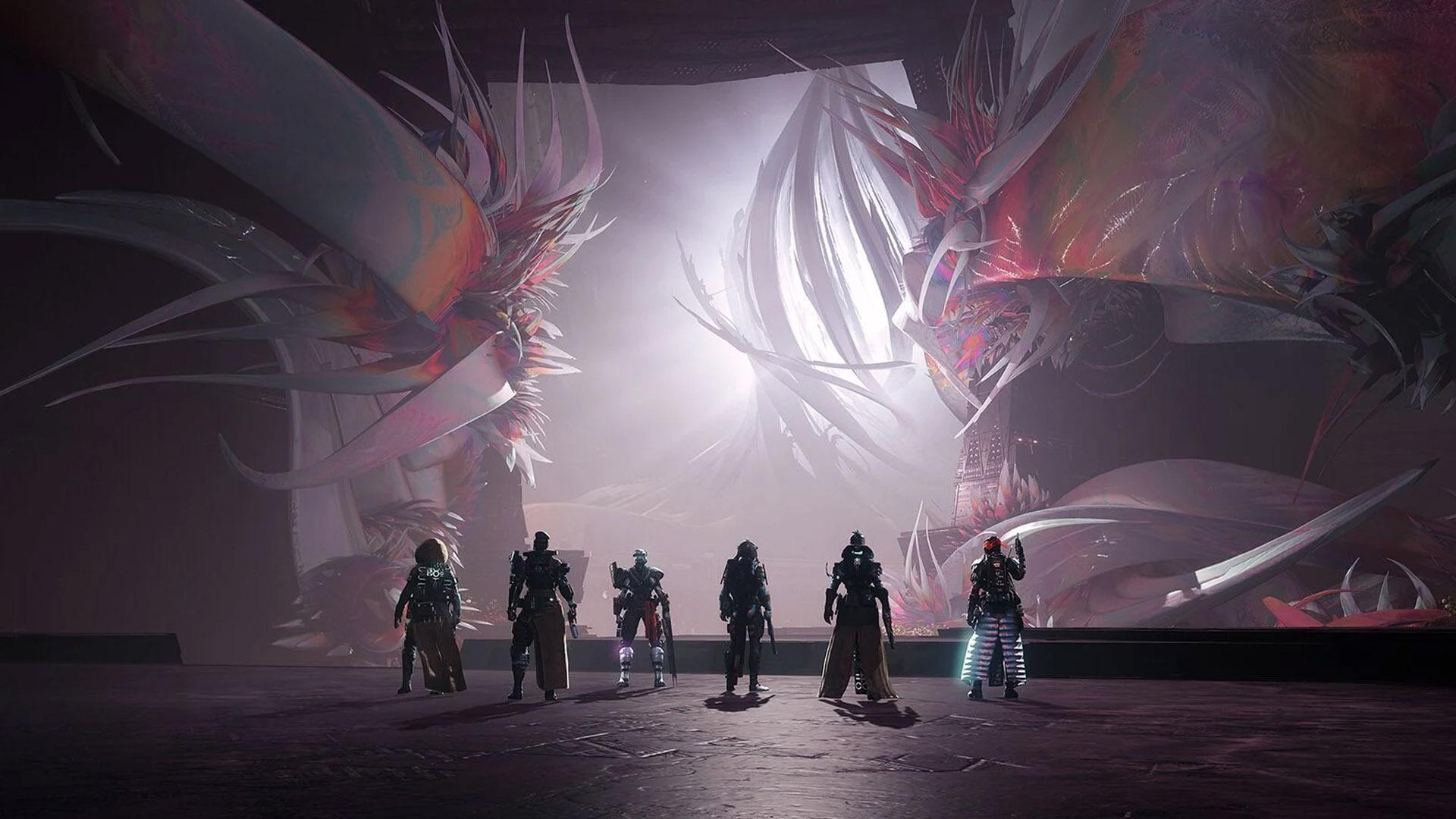
On May 21, 2026, Bungie announced — in a post titled "Every End is a New Beginning" — that Destiny 2's final live-service update would arrive on June 9. After that, no new expansions, no new seasons, no more story. The game stays online and playable. It simply stops growing.
Most coverage framed this as the end of an era. That is true but incomplete, and the more revealing detail is the one that got a single line in most write-ups: two expansions were cancelled.
The ending was not the plan
Destiny 2's tenth expansion, Renegades, shipped in December 2025. It is now the last one, but it was never designed to be.
Two further expansions — Shattered Cycle and The Alchemist — were planned and then cancelled. The final update itself, Monument of Triumph, is a replacement: it took the place of a content drop called Shadow and Order, which had been scheduled for March 2026 before slipping to June and then being reshaped into a farewell.
That sequence matters. A studio concluding a decade-long story deliberately does not cancel the next two chapters and repurpose a delayed content patch into an ending. This was a business decision that arrived mid-arc, and the narrative was fitted around it afterwards.
Anyone who has followed Destiny knows that story threads were still open. They will now stay open.
What the last update actually contains
Monument of Triumph is, appropriately, a retrospective rather than an expansion. It brings quality-of-life improvements, reprised legacy content, adjustments to tiered loot, a concluding Moments of Triumph event, and — a detail that says a lot about who this was for — Sparrow racing.
Sparrow Racing League was a limited-time mode from the original Destiny in 2015, beloved, removed, and requested constantly for a decade. Bringing it back in the final update is a gift to the people who have been there since the beginning, and it is a museum piece rather than a system with a future.
That is the whole shape of the update. It is a curated look backwards, assembled for an audience that is being asked to say goodbye.
"Still playable" is doing a lot of work
Bungie has been clear that Destiny 2 remains online. The servers are not going dark on June 9. Precedent supports this — the original Destiny is still up years after its own sunset.
But "playable" deserves scrutiny, because a live-service game in permanent maintenance is a specific and unusual object.
What you keep: the campaigns, strikes, raids and gear you own, and a world that still functions.
What you lose: the thing the game was actually built to deliver. Destiny 2's design assumes a treadmill — seasonal artifacts, rotating activities, power climbs, a reason to log in this week rather than next year. Strip out the updates and what remains is a large, beautiful, static theme park operating with the rides still running and nobody adding new ones. The game is preserved; the service is over.
There is also an uncomfortable asymmetry worth naming. Players bought expansions, seasons and season passes on the reasonable understanding that the story would continue. Some of that content is now the end of a road it was sold as a step along.
A server that stays on is not the same as a promise that gets kept. It is just the cheapest version of keeping one.
This is precisely the question sitting underneath the preservation fight in California: what a purchase actually entitles you to when the game is a service. Destiny 2 is the sympathetic version — Bungie is leaving the lights on voluntarily. The unsympathetic versions are the ones that get switched off.
What this says about live service as a model
It would be easy to read this as a Bungie story. It is better read as a structural one.
The live-service pitch to publishers was that a successful game becomes an annuity: build once, monetise for a decade, never bear the risk of a new launch. What Destiny 2 demonstrates is the part the pitch omits — the treadmill has to be fed forever, and feeding it costs a team's entire output, indefinitely, against an audience that inevitably erodes.
Destiny 2 was not a failure. It ran for years, defined the looter-shooter, and sustained an enormous community. And it still reached a point where the arithmetic of continuing did not work, with two expansions already in planning.
If that can happen to one of the genre's defining titles, the annuity model looks less like a guaranteed income and more like a treadmill with an exit nobody plans for. Which is roughly what the contraction across the wider industry has been signalling for a while.
It also explains something about the current release calendar. Publishers spent years chasing the next Destiny; the ones now shipping tightly-scoped premium games with a beginning, a middle and an end are responding to exactly this lesson.
If you still play
Some practical thoughts, since the game is not going anywhere.
Finish what you care about. Raids and dungeons will stay available, but the population that makes matchmaking and LFG work will thin over time, and group content gets harder as it does. The window for finding a raid team is now, not in two years.
Chase the Moments of Triumph. It is the designed send-off and it will not be repeated.
Play Sparrow racing. It took eleven years to come back and it will not be iterated on.
And keep expectations calibrated: what remains is a complete, substantial game with no future, which is a perfectly reasonable thing to enjoy so long as you are not waiting for the next chapter.
The takeaway
Destiny 2's ending was not written. It was scheduled, after two planned expansions were cancelled and a delayed update was repurposed into a farewell.
The game survives, which is genuinely better than the alternative and more than many live-service titles get. But the distance between "the servers are still on" and "the story got finished" is the entire lesson here — and it is a lesson about the model, not about one studio.
Tags: gaming news Gaming Industry PC Gaming console gaming Destiny 2 Bungie Marathon Destiny 3 Live Service Games Bungie Layoffs Monument of Triumph Destiny 2 Ending Online Gaming FPS Games Extraction Shooter Sony Interactive Entertainment MMO Shooter Steam Charts Multiplayer Games Video Game Industry
Written by Shujaat Ahmed
Shujaat Ahmed is the founder and editor of Door To Gaming. A lifelong gamer, he writes about the games, hardware, and industry news he cannot stop thinking about.