SteamOS on Intel Is Real — and Much Narrower Than the Headlines
Valve shipped Intel handheld support in the SteamOS 3.8.7 beta. It covers three MSI Claw models, TDP control is incomplete, frame generation is unreliable, and AMD is still the only fully supported vendor. The Nvidia work is the part that matters.
By Shujaat Ahmed · · 5 min read
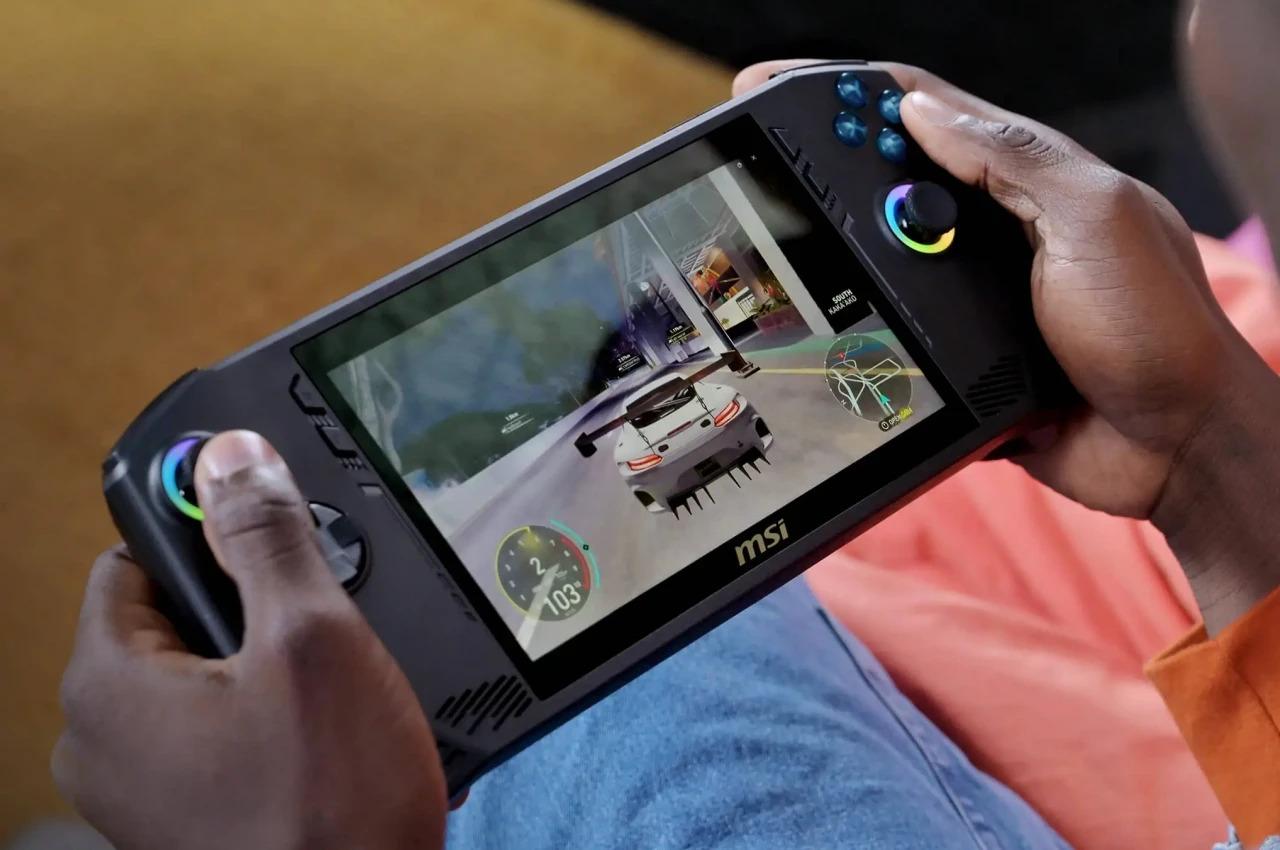
SteamOS now runs on Intel handhelds. That is real, and for anyone who has watched Valve's operating system remain stubbornly AMD-only, it is a genuine milestone.
It is also considerably narrower than the coverage suggested. What actually shipped is beta support, for three specific devices, with known gaps in features handheld users rely on daily. Worth celebrating, worth understanding precisely.
What shipped, exactly
Valve added its first official Intel handheld support in the SteamOS 3.8.7 beta, build 20260612.1, on June 12, 2026.
The supported hardware is a short list, all from MSI:
- MSI Claw A1M — the original, Core Ultra-based model
- MSI Claw 7 AI+ — Lunar Lake (A2VM)
- MSI Claw 8 AI+ — Lunar Lake (A2VM)
That is the entire compatibility list. Not "Intel handhelds" as a category — these three.
And it is beta. Intel support on the mainline stable build of SteamOS is, by Valve's own account, still some way off.
The gaps that matter
Two known weaknesses stand out, and both hit the things handheld players actually adjust.
TDP control is incomplete. On a handheld, the power slider is not an enthusiast nicety — it is the primary tool for trading frame rate against battery life. Being able to drop a game to 9W for a long flight, or push to 25W while docked, is central to how these devices get used. Immature TDP control means the single most-used setting is the least reliable one.
Frame generation reliability is inconsistent. Frame generation matters more on handhelds than on desktops, because these are low-power parts pushing modern games at 720p–1080p, where interpolated frames make the difference between playable and not.
Neither is a dealbreaker for someone who wants to experiment. Both are reasons this is a beta rather than a recommendation.
AMD is still the only fully supported path
The headline that Intel has arrived obscures the ranking underneath. AMD remains the only GPU vendor with full, official, mature support in SteamOS, and the gap is not close.
That is not favouritism. It is history: the Steam Deck is an AMD device, SteamOS's graphics stack was built and hardened against AMD hardware over years of shipping units, and the Proton compatibility layer was tuned in that same environment. Intel is starting from behind because it is starting.
To Intel's credit, the work appears genuine. Valve's Pierre-Loup Griffais said Intel has "been doing a lot of hard work" getting its graphics stack running on SteamOS — a specific endorsement of effort rather than a claim of parity.
The Nvidia part nobody expected
The more consequential detail in the same round of announcements is that Valve confirmed it is working with both Intel and Nvidia on future SteamOS support.
Nvidia support would be the genuinely transformative one. Intel's discrete and integrated graphics are a small slice of the gaming market; Nvidia is most of it. A SteamOS that runs properly on an Nvidia desktop is no longer a handheld operating system — it is a credible alternative to Windows for the machine most PC gamers already own.
That is a very different proposition from what SteamOS has been, and it is a long way off. But it reframes the Intel work: this is not Valve adding one vendor. It is Valve building the multi-vendor driver support that a general-purpose gaming OS requires.
Why this matters beyond Valve
For most of the current handheld generation, the market has run one blueprint: an AMD Ryzen chip and Windows 11. Asus, Lenovo and Ayaneo all shipped variations on it.
That combination has a well-documented weakness. Windows 11 is a desktop operating system being operated with a controller, and no amount of manufacturer shell software fully disguises it. Anyone who has watched a handheld boot into a desktop, then fought a login prompt with a thumbstick, knows the problem.
Manufacturers who wanted to differentiate with Intel silicon faced a double penalty: early driver instability and the same awkward Windows experience. SteamOS support removes one of those penalties, and points at removing the other.
It also arrives at an awkward moment for hardware pricing. Memory and storage costs are rising sharply, and handhelds are memory-dense devices in a price-sensitive category. A free, well-optimised OS that squeezes more from cheaper silicon is worth more in that environment than in a cheap one.
Should you install it?
If you own an MSI Claw and enjoy tinkering, it is worth trying. Just go in expecting beta behaviour, particularly around power limits, and keep a Windows install you can return to.
If you own any other Intel handheld, wait. Your device is not on the list, and "Intel support" does not mean what the headlines imply.
If you are buying a handheld now and SteamOS matters to you, buy AMD. That is the mature path, and it will remain the mature path for a while yet.
If you are on a desktop, nothing here changes anything — but the Nvidia work is the thing to watch over the next couple of years.
The takeaway
Valve did not conquer Intel hardware. It shipped beta support for three MSI Claw models, with incomplete TDP control and unreliable frame generation, while AMD remains the only vendor with full official support.
That is still a meaningful first step, and the direction is clear: Valve is building an operating system that works across vendors rather than one that works on its own handheld. The Intel beta is the first evidence. The Nvidia collaboration is the one that would actually change the PC gaming landscape.
Tags: gaming news SteamOS MSI Claw Handheld Gaming Intel Lunar Lake Valve Linux Gaming Arc Graphics
Written by Shujaat Ahmed
Shujaat Ahmed is the founder and editor of Door To Gaming. A lifelong gamer, he writes about the games, hardware, and industry news he cannot stop thinking about.